Process
Wood firing is where my work really started to make sense.
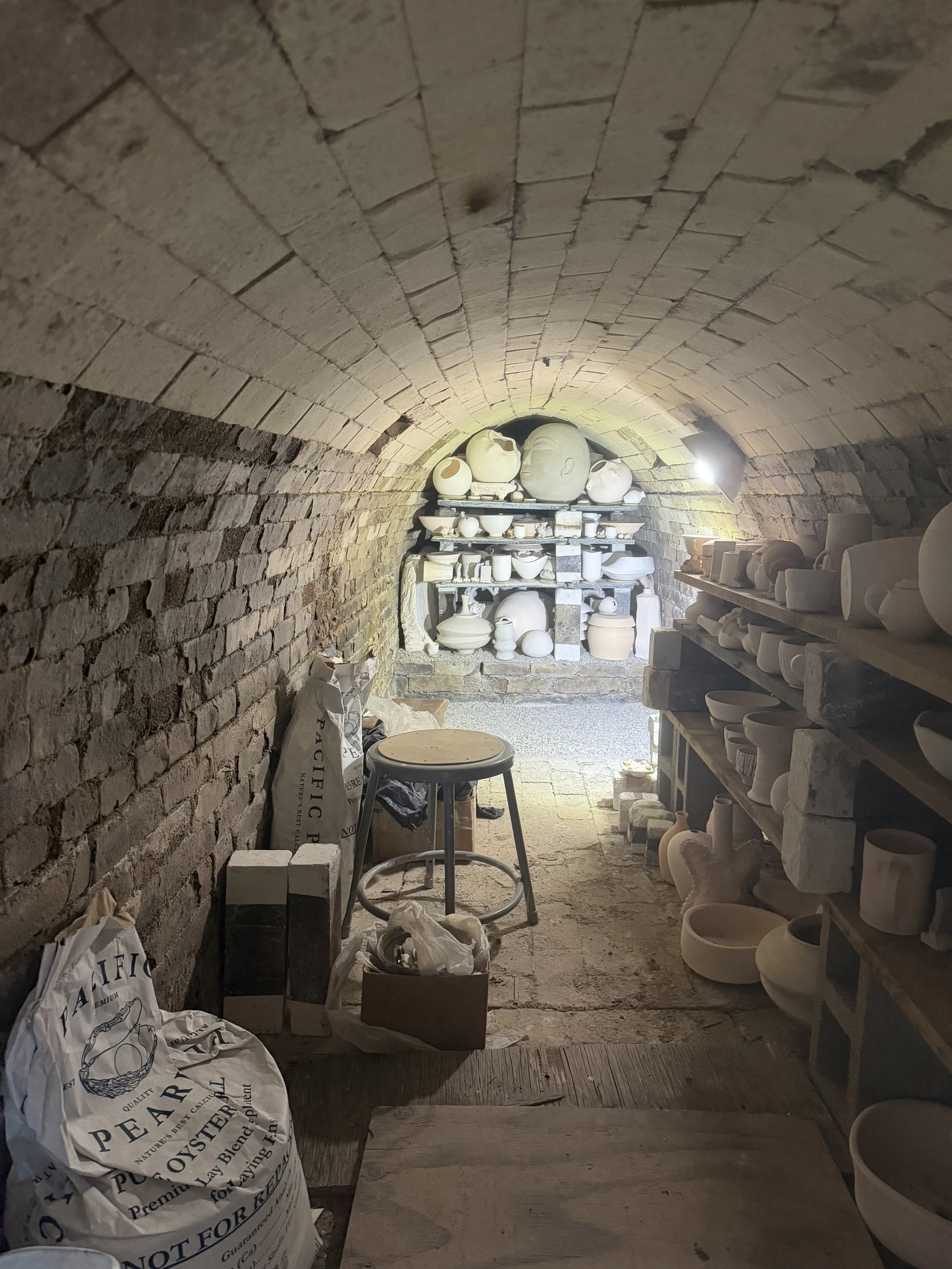
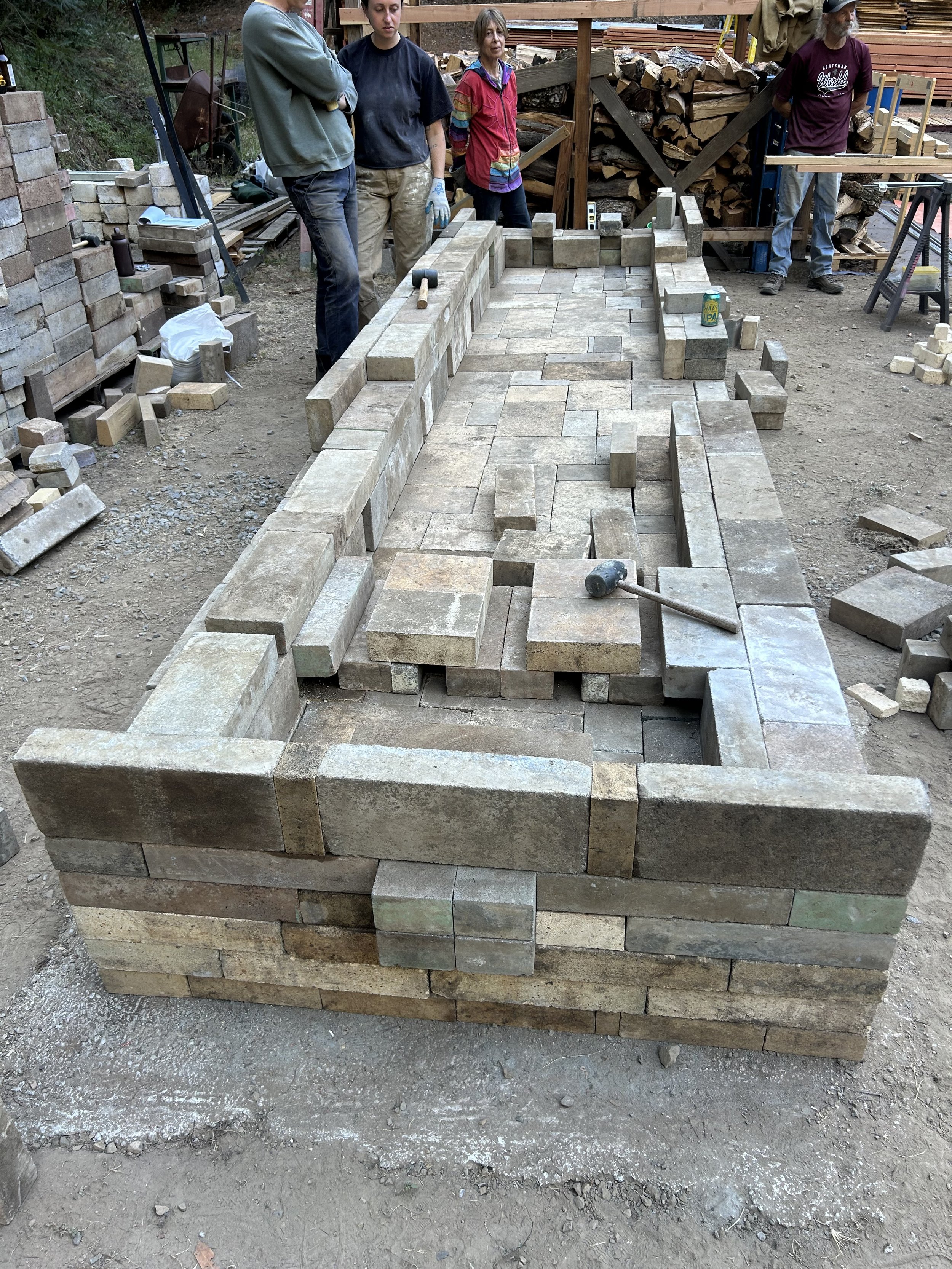
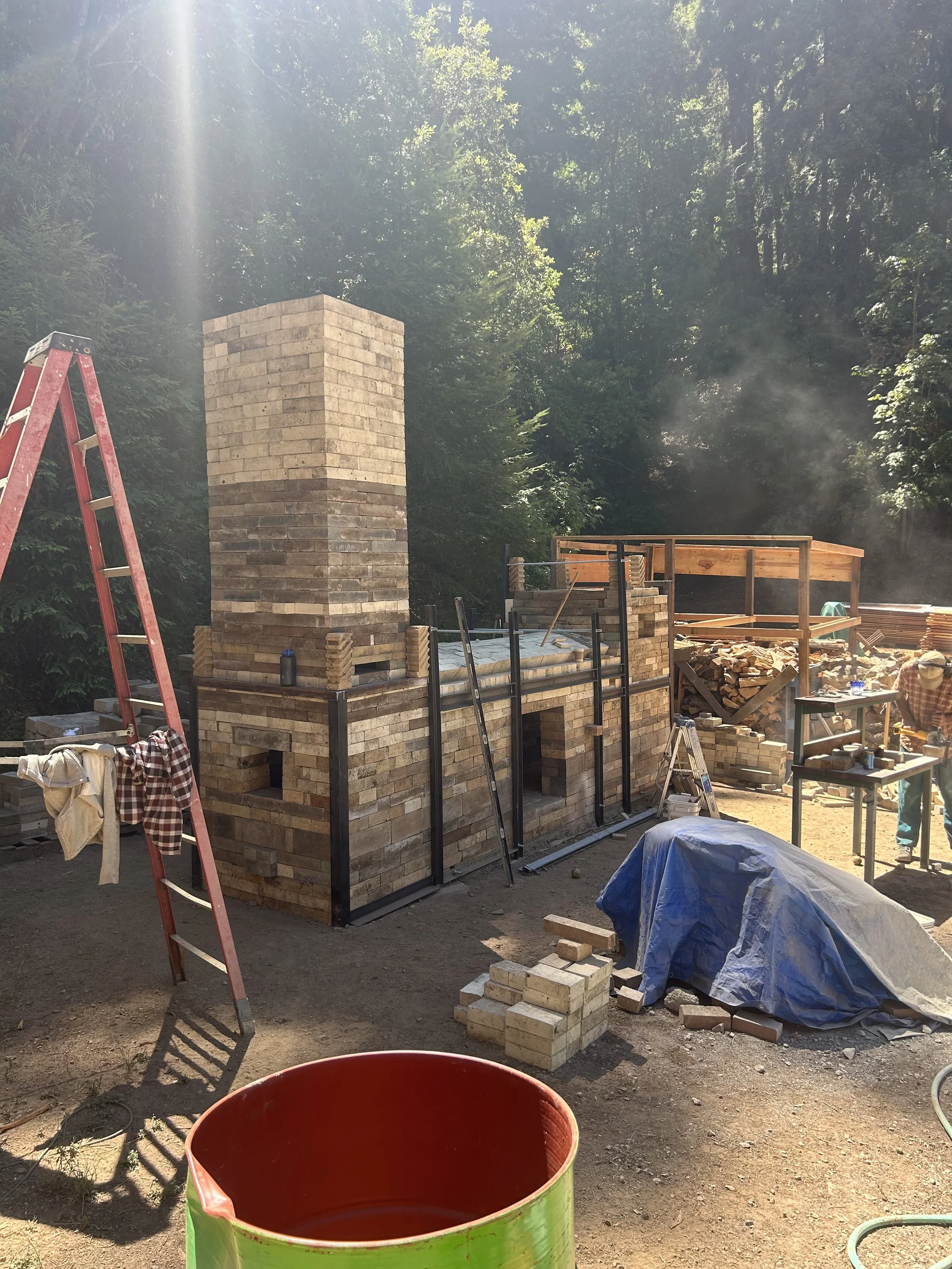
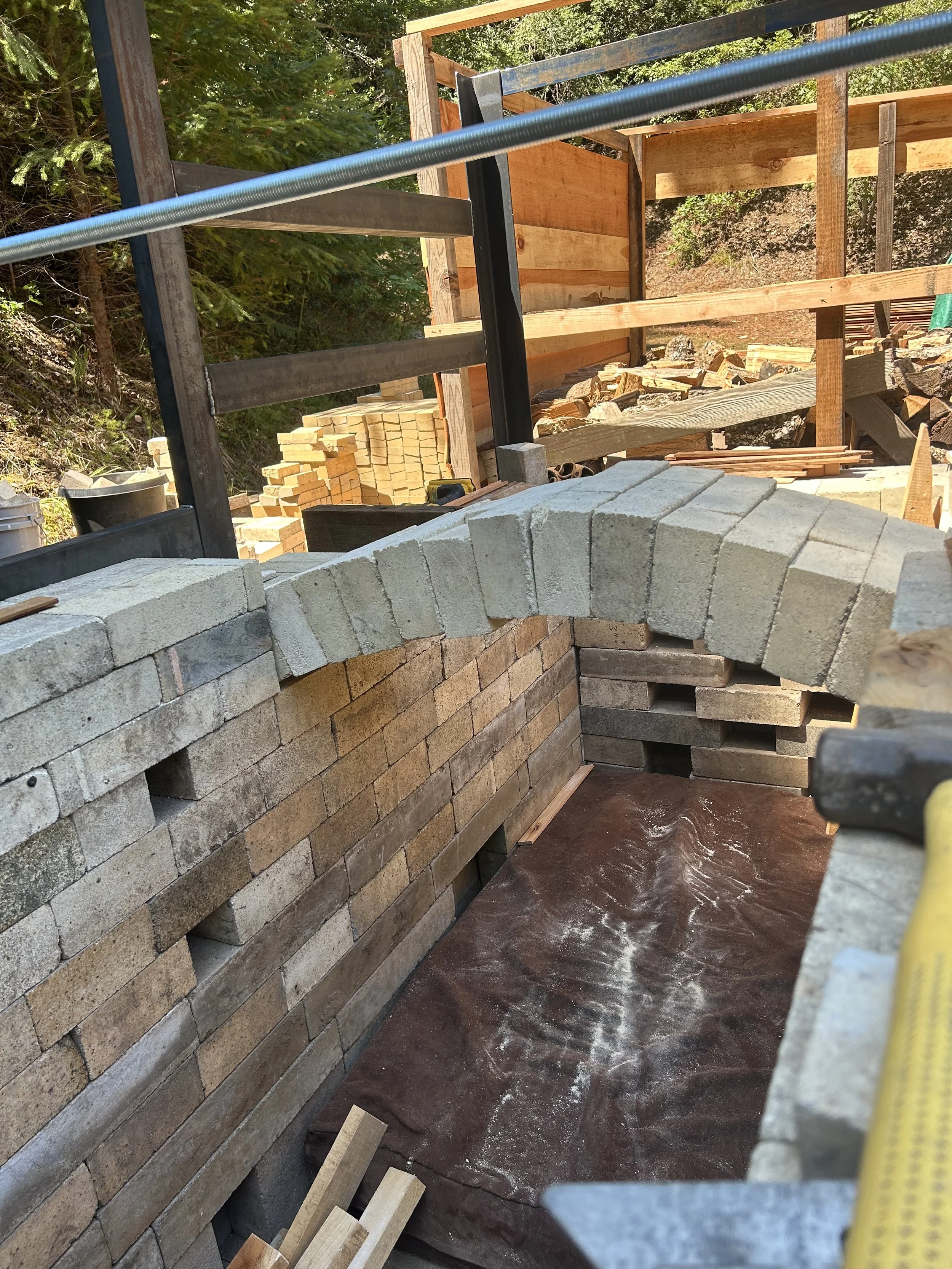
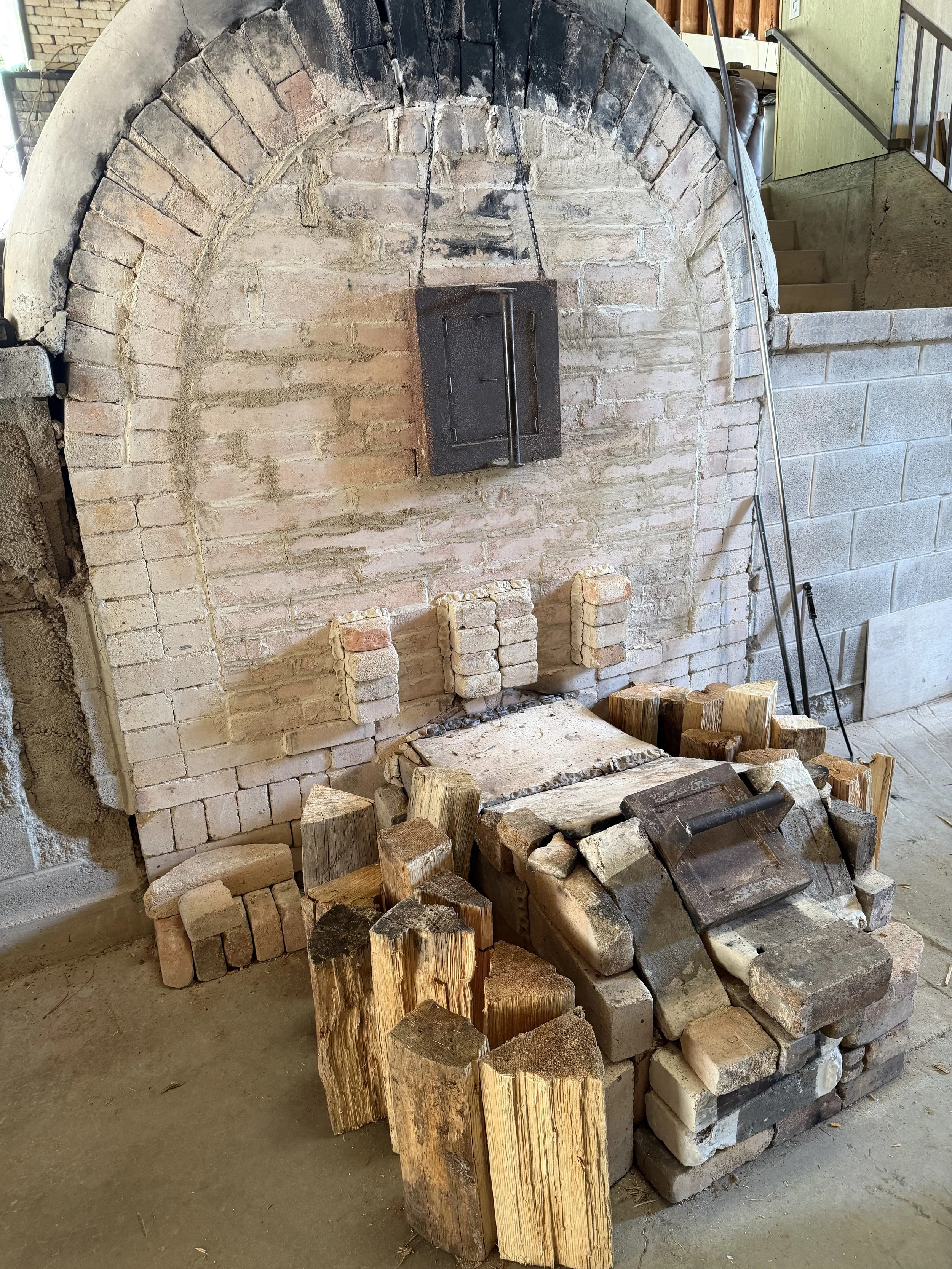
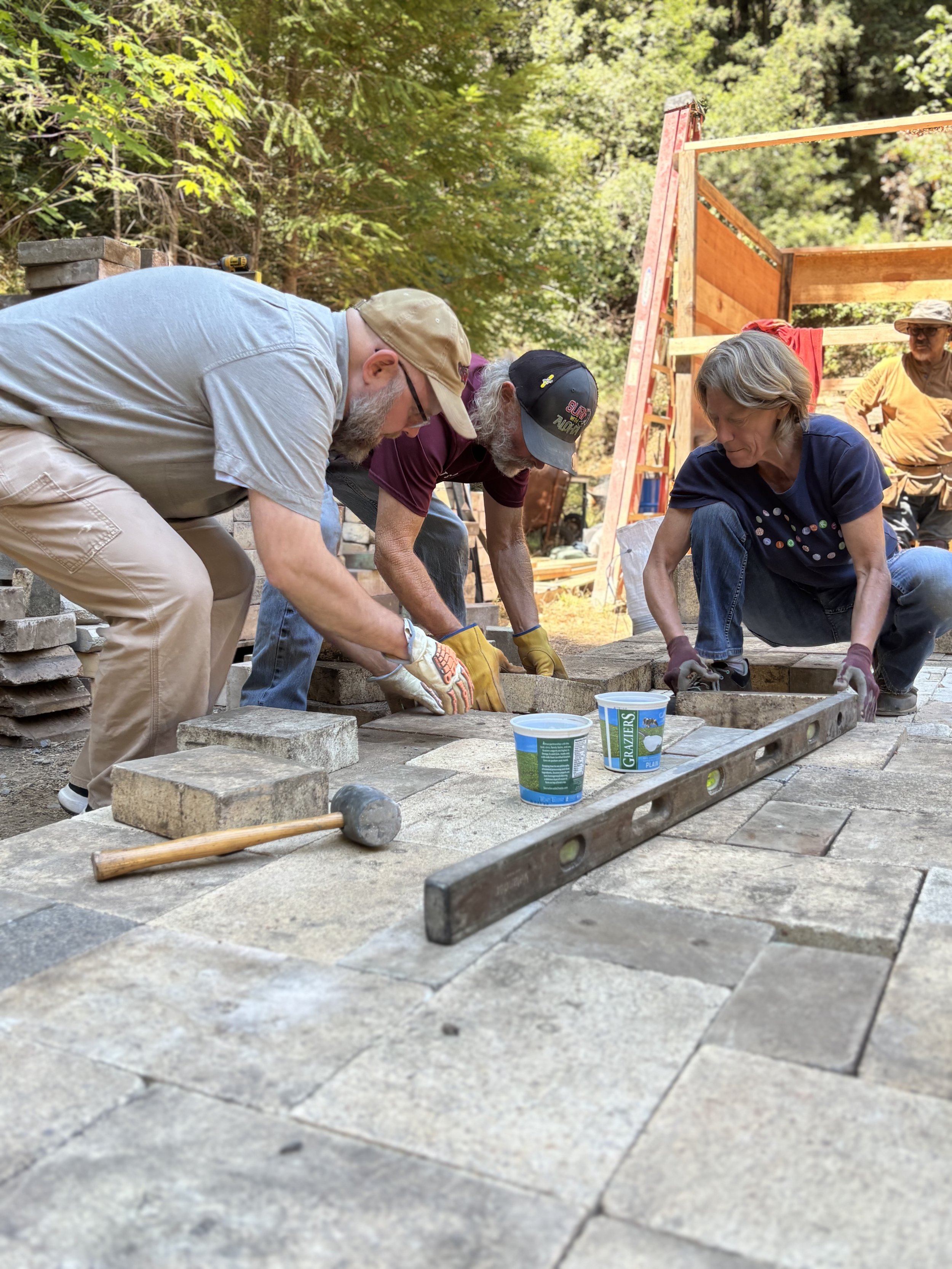
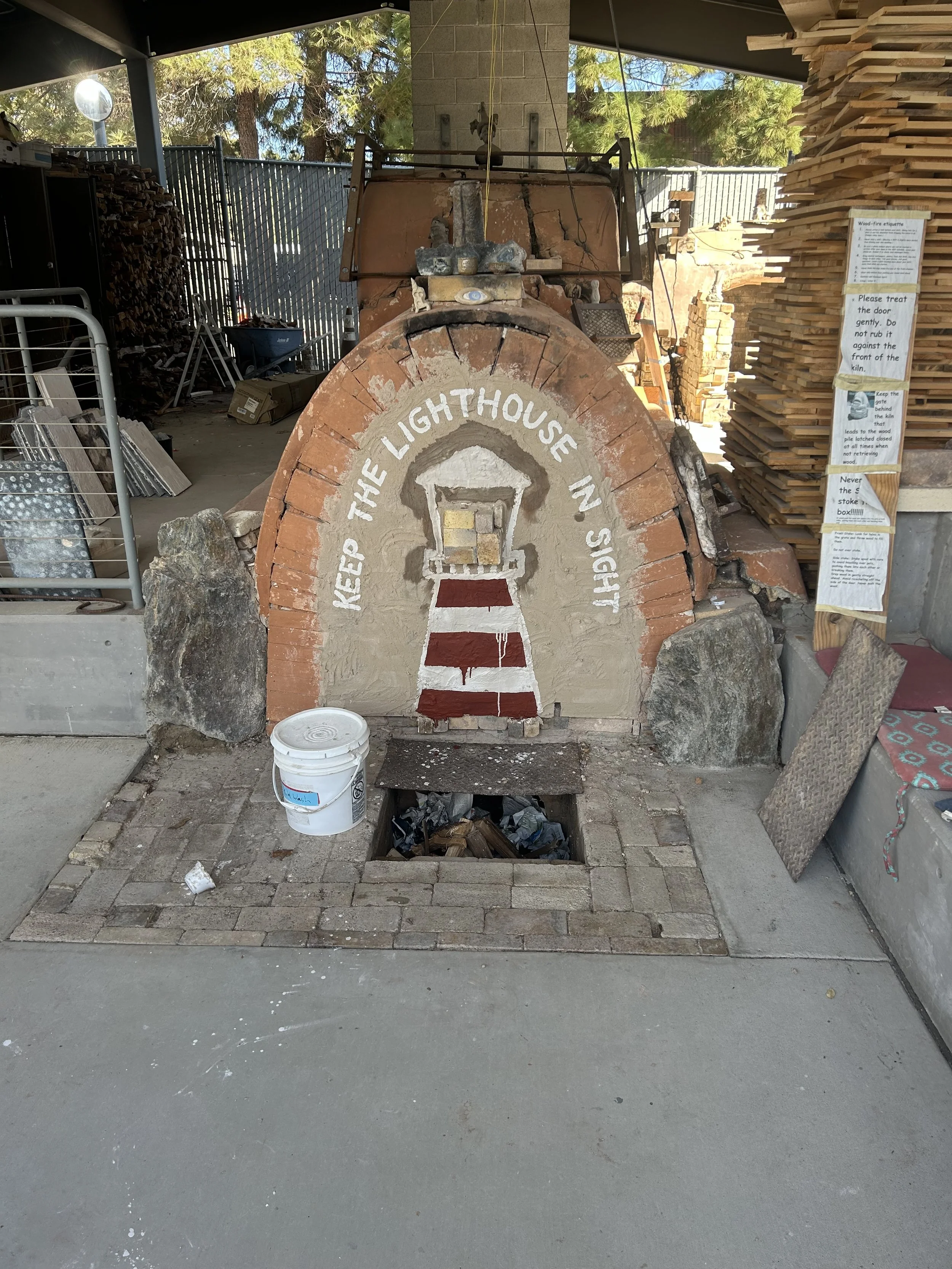
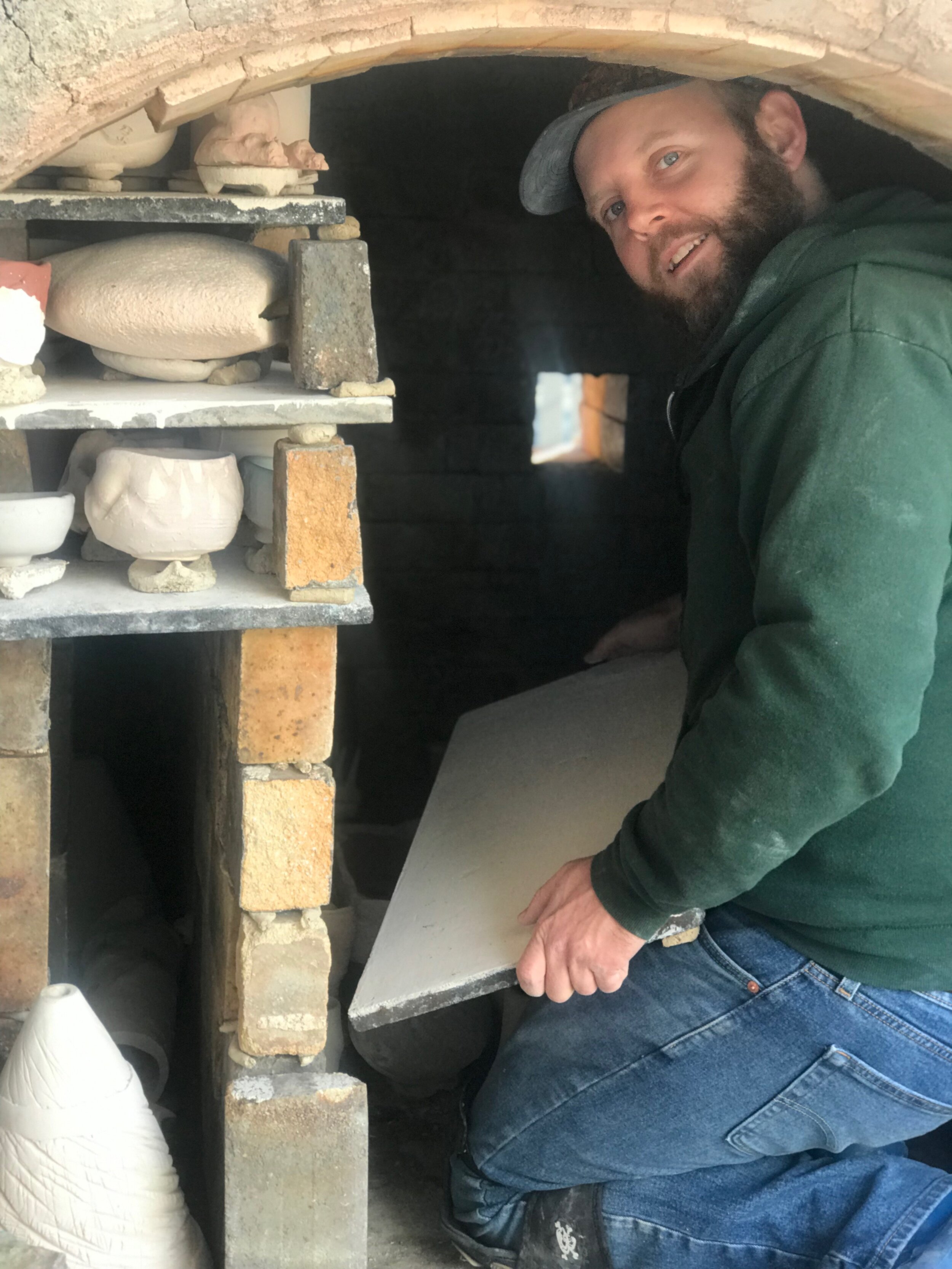
The first kiln I ever fired was a wood kiln at Solano Community College. Not an electric kiln. Not a gas kiln. I somehow started with the ancient, labor-intensive, sleep-depriving version of the process. Since then, I have built, repaired, loaded, and fired many different wood kilns, and I have now taken part in almost eighty firings at multiple kiln sites.
The Kiln is Part of the Work
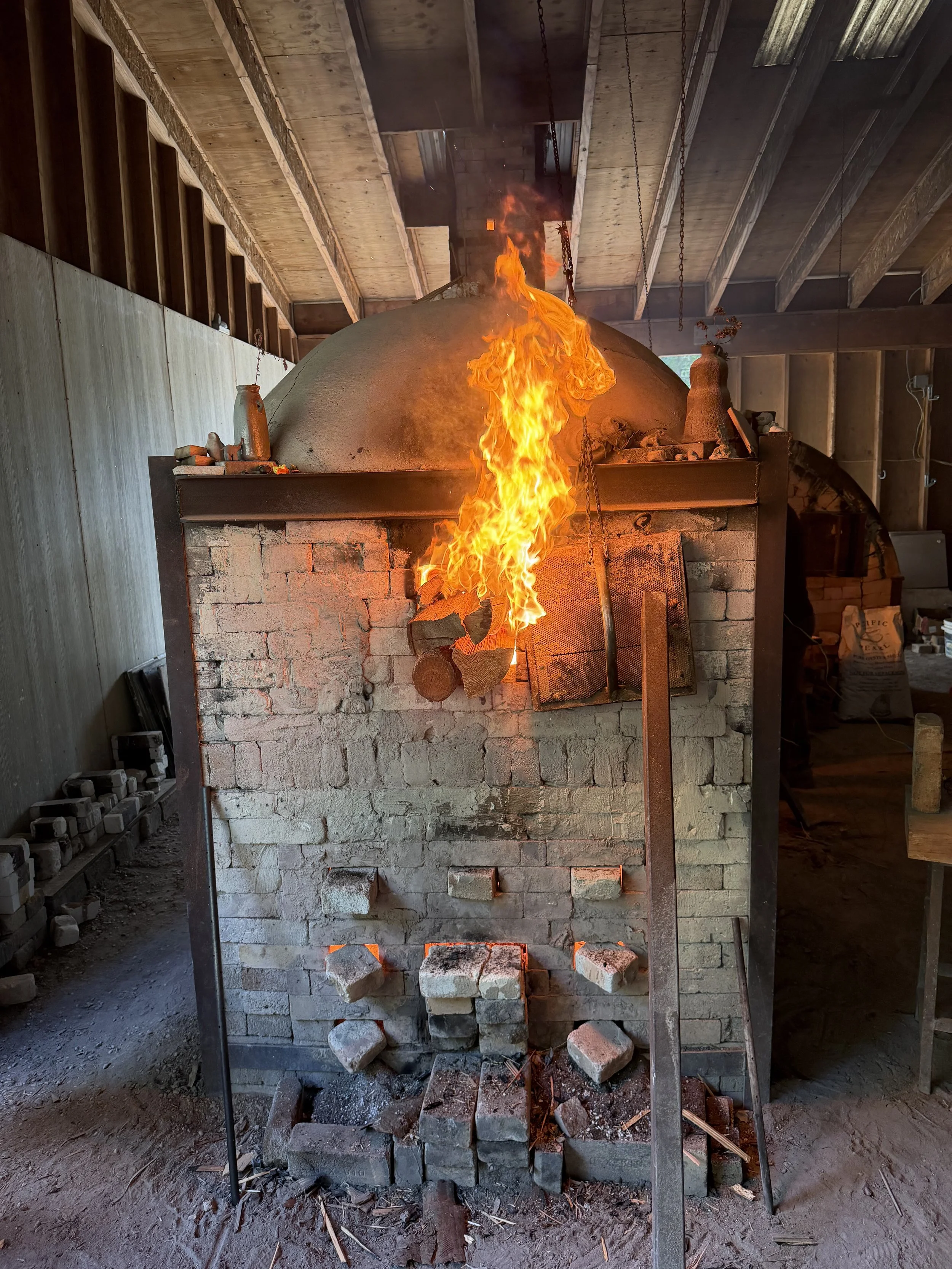
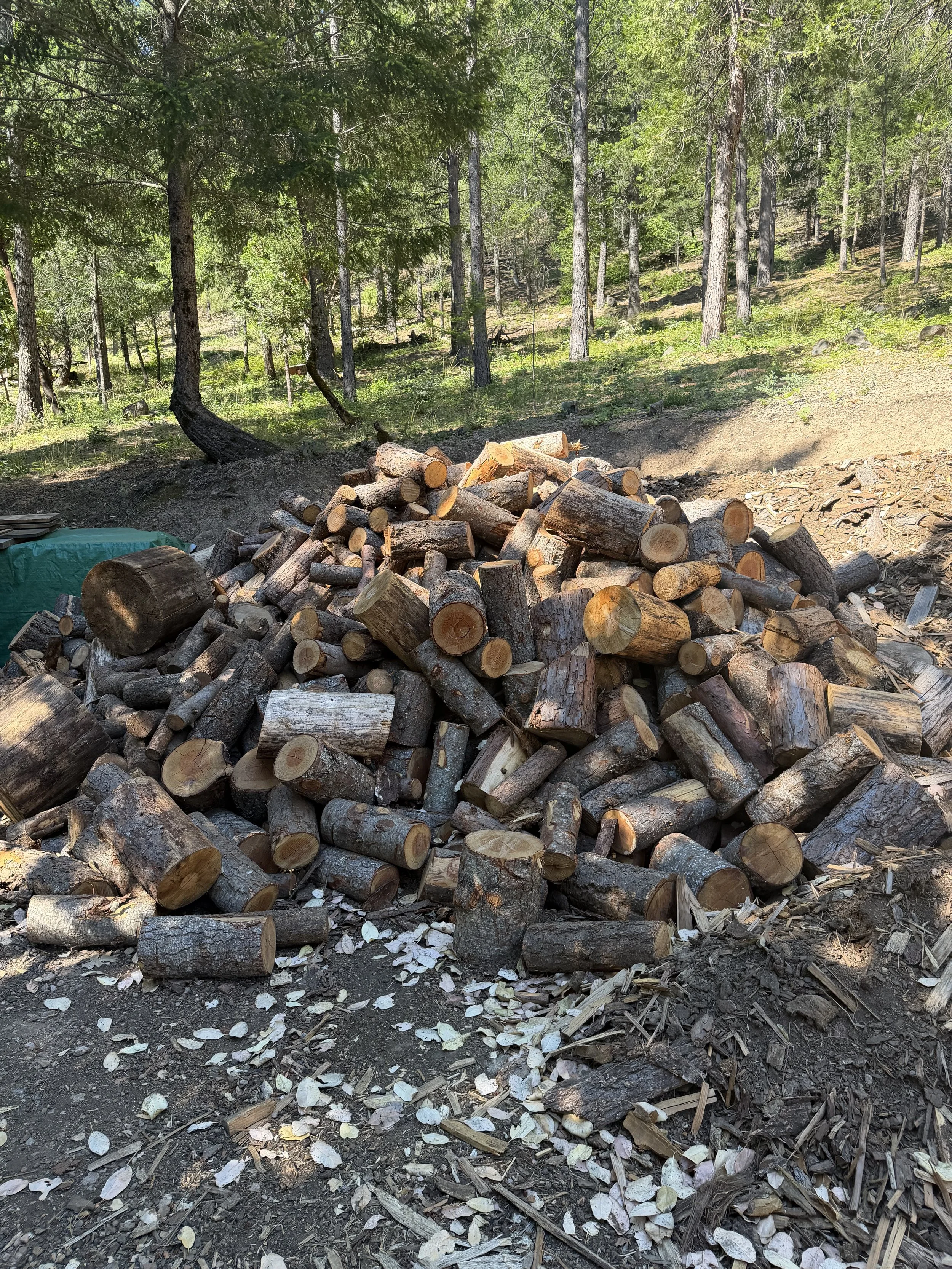
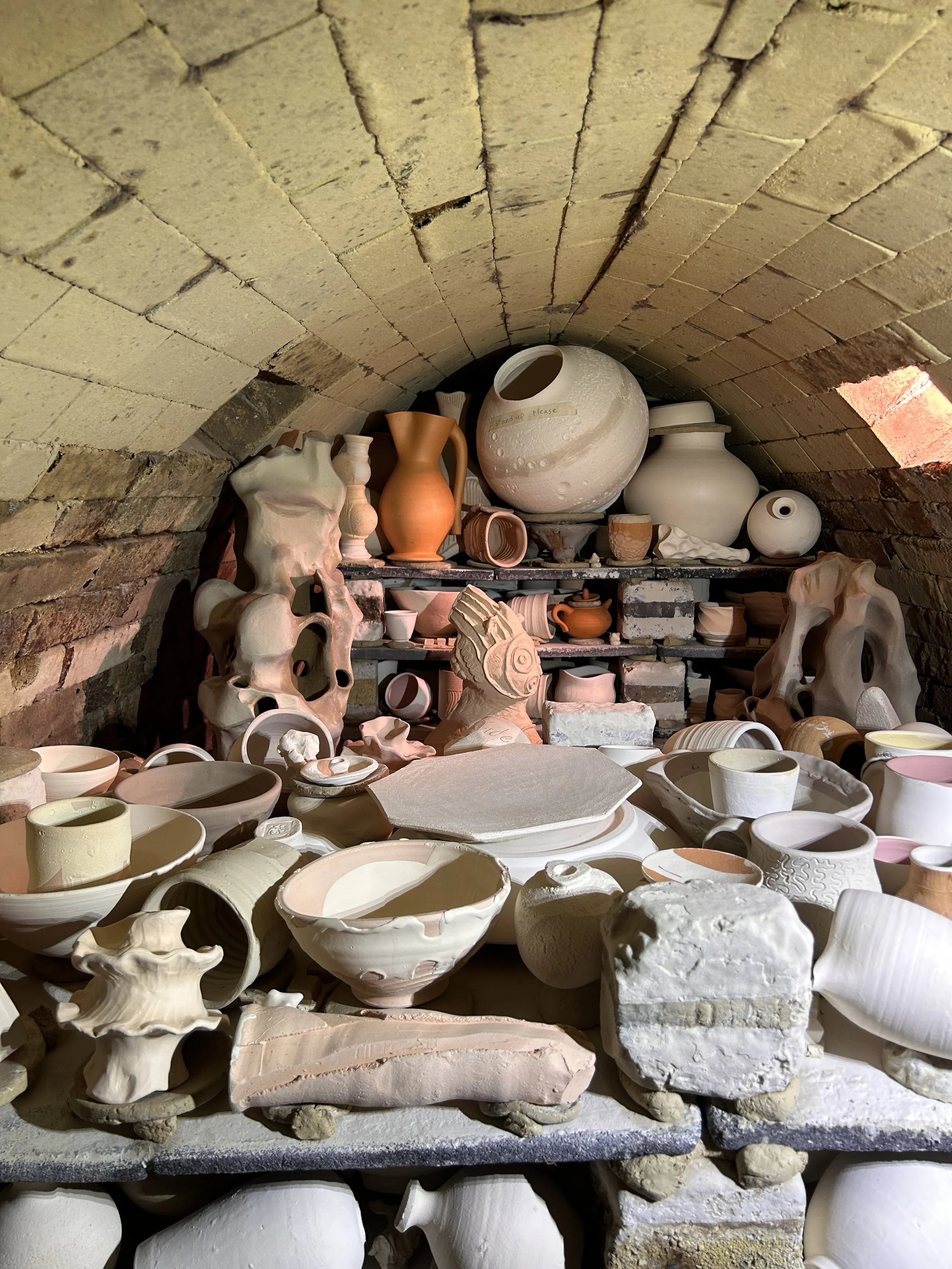
Wood firing is not just a way to finish a pot or a sculpture. The kiln becomes part of the work. Flame moves through the chamber, ash lands on the surface, heat builds and shifts, and the atmosphere inside the kiln changes over the course of the firing. The design of the kiln matters. The wood matters. The placement of each piece matters. The firing schedule, the stoking rhythm, the weather, the crew, and the thousand tiny decisions made during the firing all leave some kind of mark.
Some of that is in my control. A lot of it is not. That is part of the appeal, and also part of the problem.
Clay, Form, and Texture
The things I can control most directly are the forms I make and the clay bodies I use. I have spent over five years developing my own clay recipes, and I now primarily work with two clay bodies: a porcelain and a red stoneware. They respond differently in the kiln, and I choose between them based on the kind of surface, color, texture, and presence I want the finished piece to have.
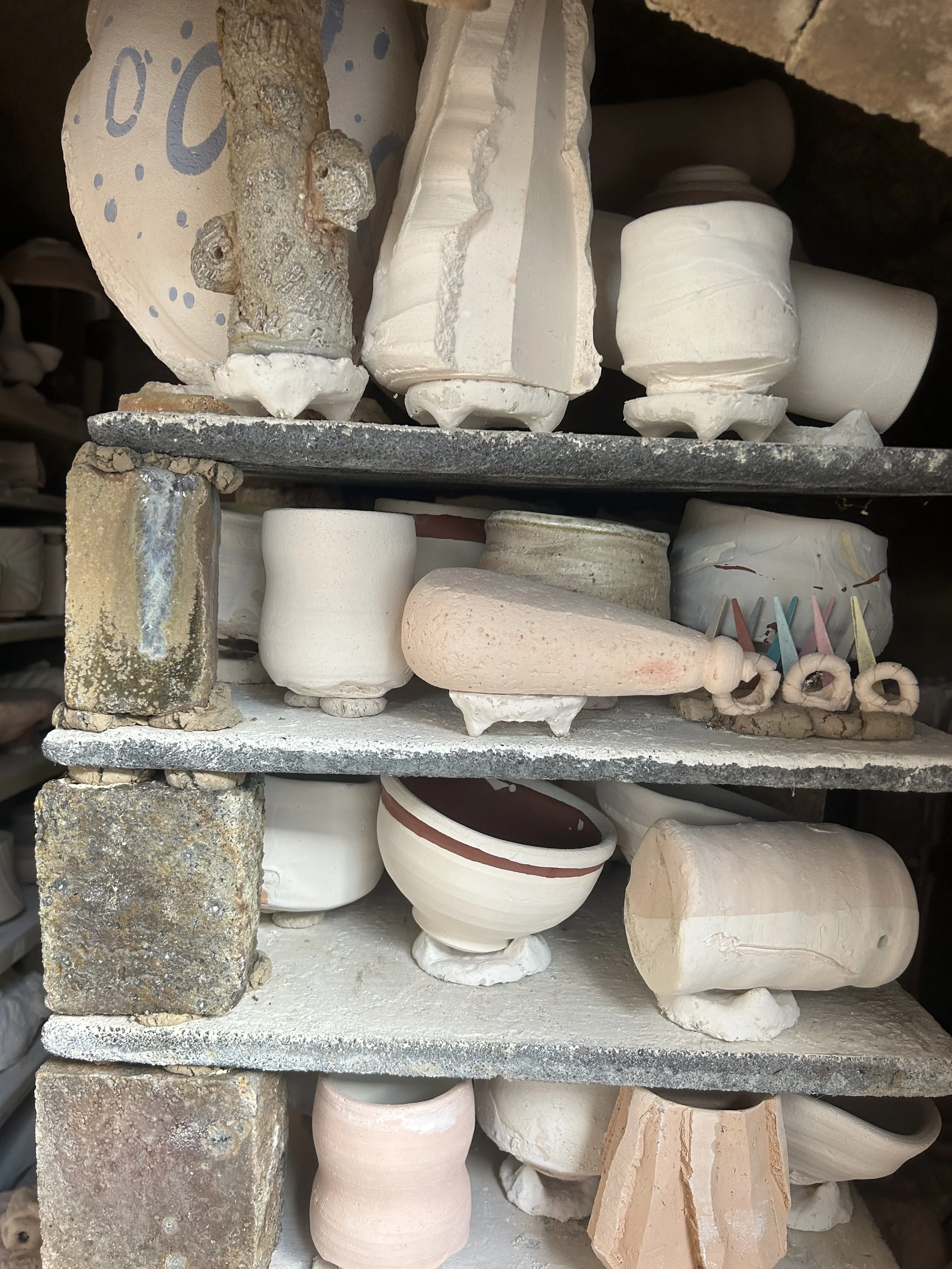
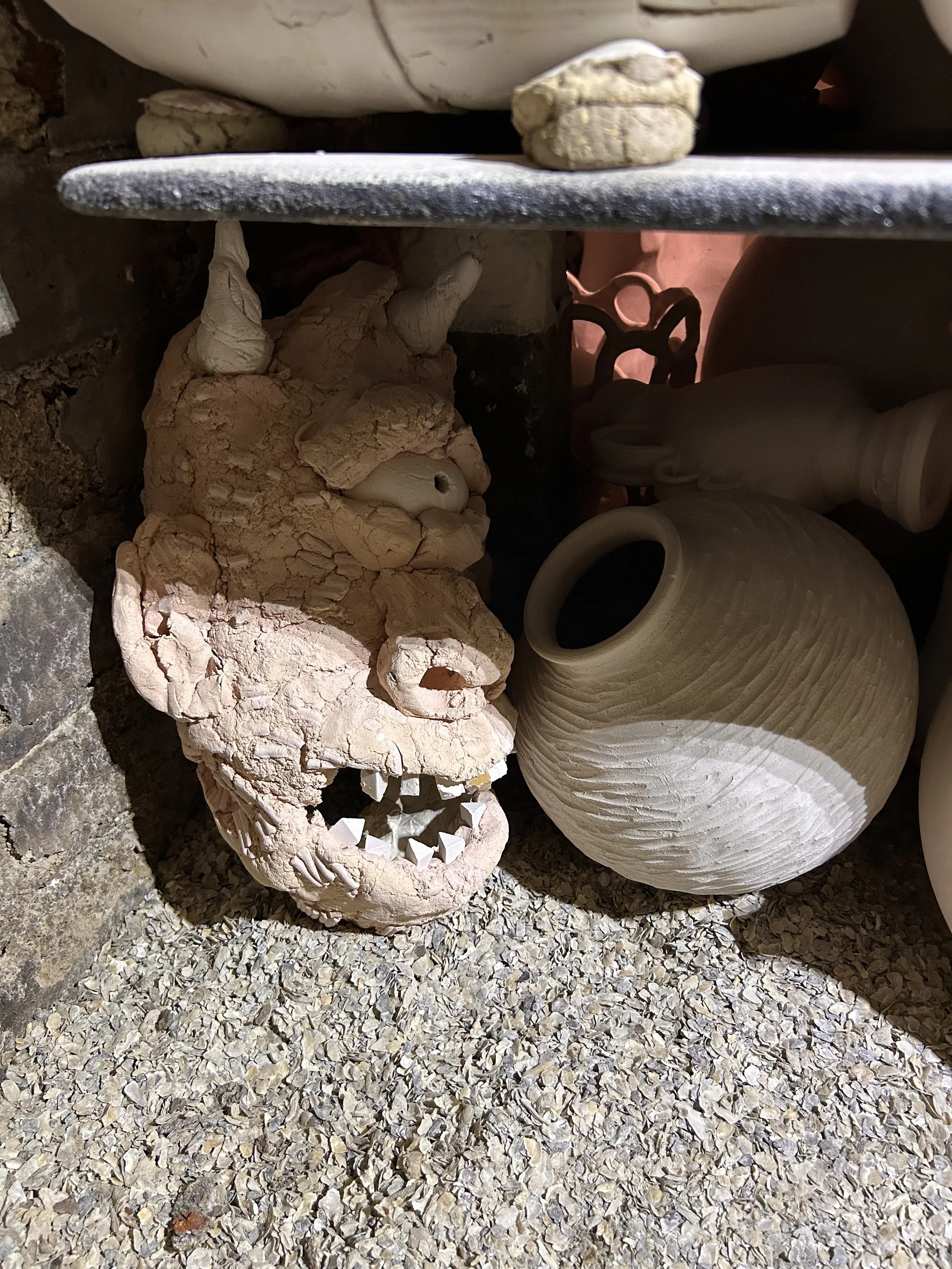
Texture is especially important in my work. Smooth surfaces can be beautiful, but atmospheric firing really comes alive when flame and ash have something to catch on. Ridges, cuts, marks, seams, and rougher surfaces can hold the path of the fire in a more visible way. A good texture gives the kiln something to work with.
Work Worth Firing
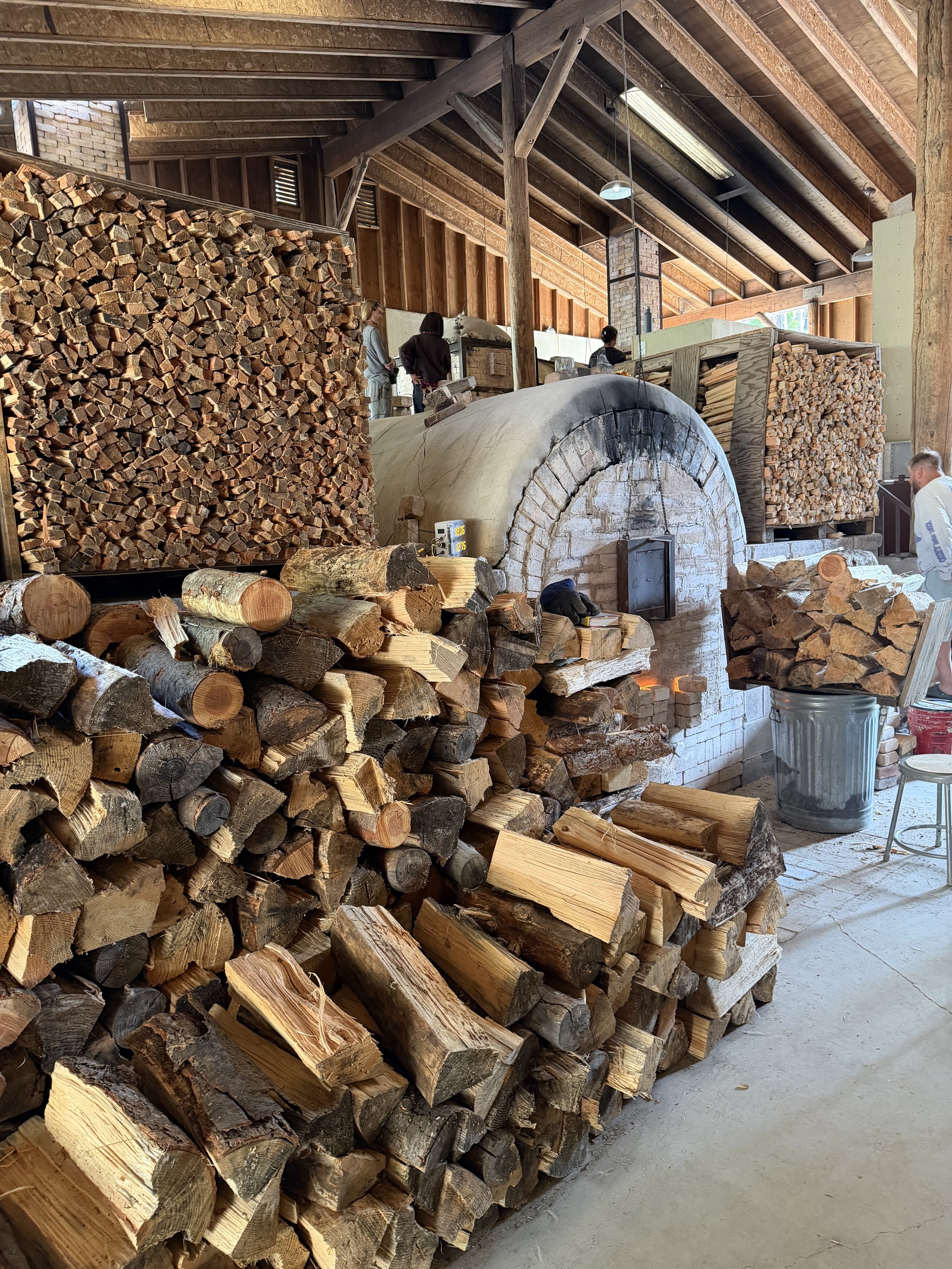
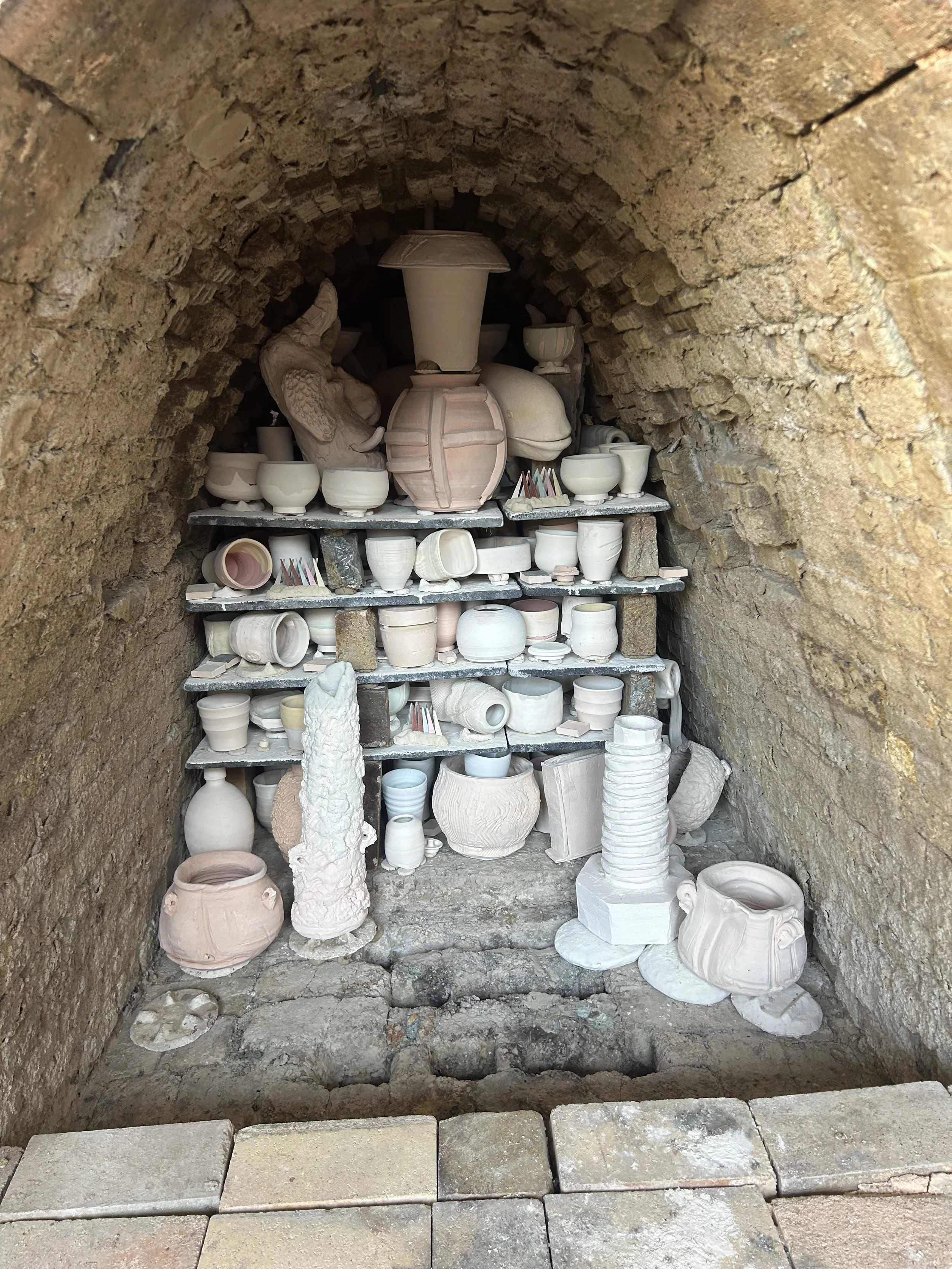
Wood firing demands your best work, not because it is reckless or mysterious, but because it asks so much from the work before the firing even begins. There is the making, drying, loading, wood preparation, firing, cooling, unloading, and cleaning. After all of that, I do not want to open the kiln and find a piece that was only “good enough” going in.
There are real losses in wood firing. Pieces can stick to shelves or to each other. Shelves can shift. A firing can go too hot, too cool, too clean, too ashy, or sideways in some new and personally insulting way. But the bigger lesson for me is not that wood firing is risky. It is that wood firing makes me more selective. The process pushes me to make work that deserves the labor.
I feel like my own work did not really begin to get good until I started focusing on wood firing. It made me pay closer attention to form, surface, clay, texture, and intention. The kiln can do extraordinary things, but it cannot rescue a piece that was not strong to begin with.
What the Fire Leaves Behind
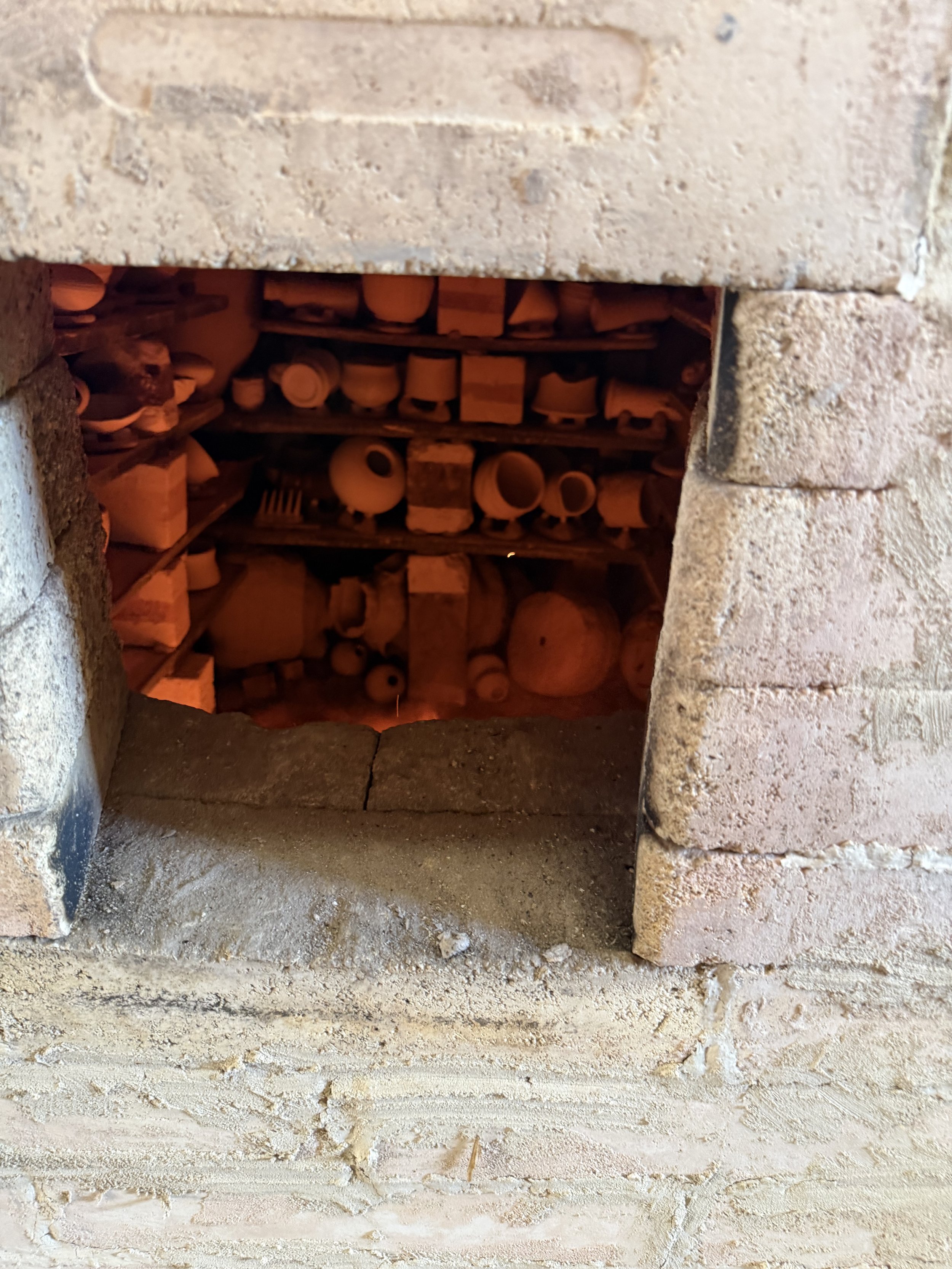
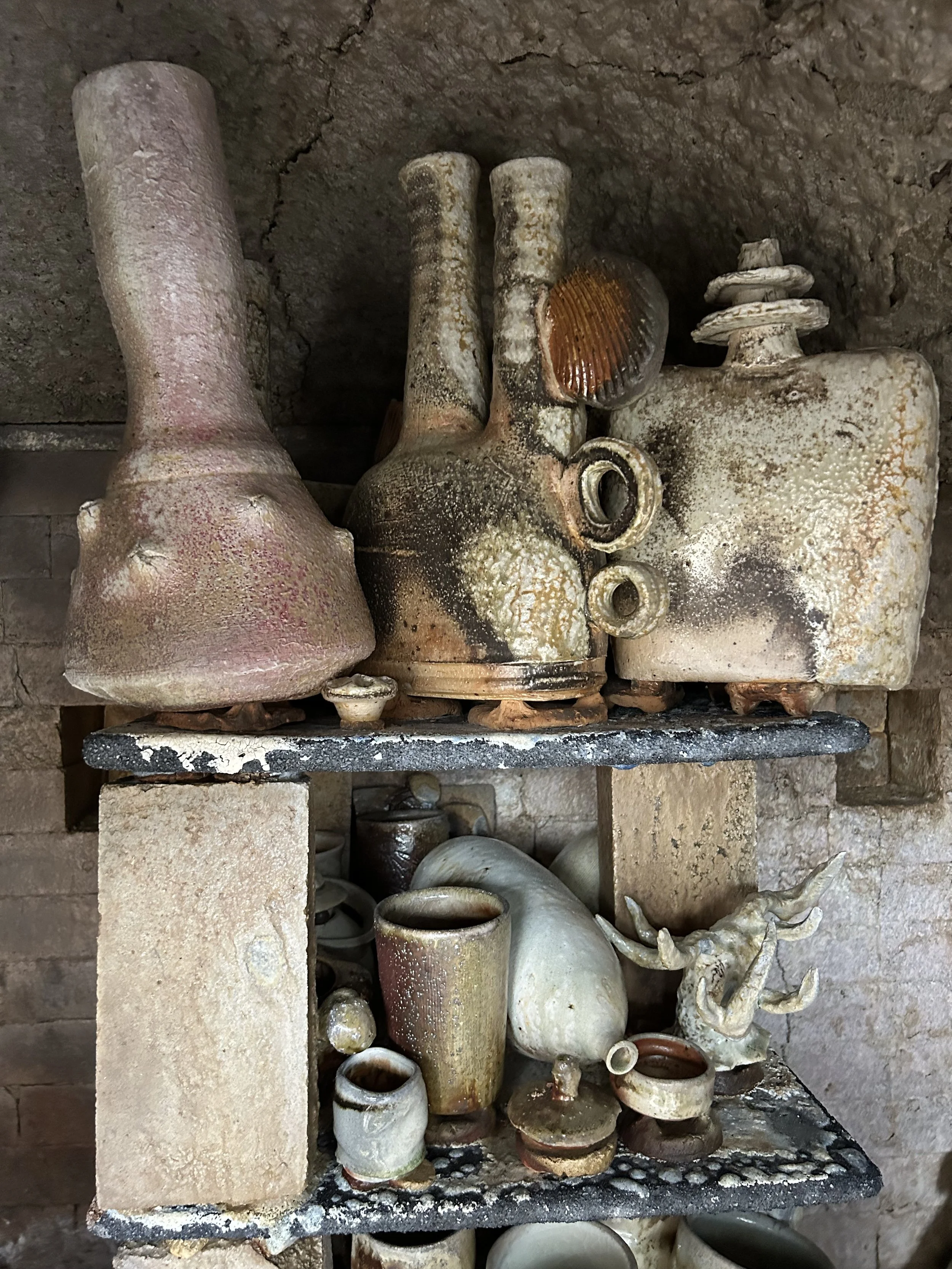
The finished pieces are not just decorated by the fire. They are shaped by an ongoing conversation between my decisions and the conditions of the kiln. I make the form, choose the clay, build the texture, and place the work. Then the firing adds its own record: ash, flashing, glass, scars, heat, movement, and chance.
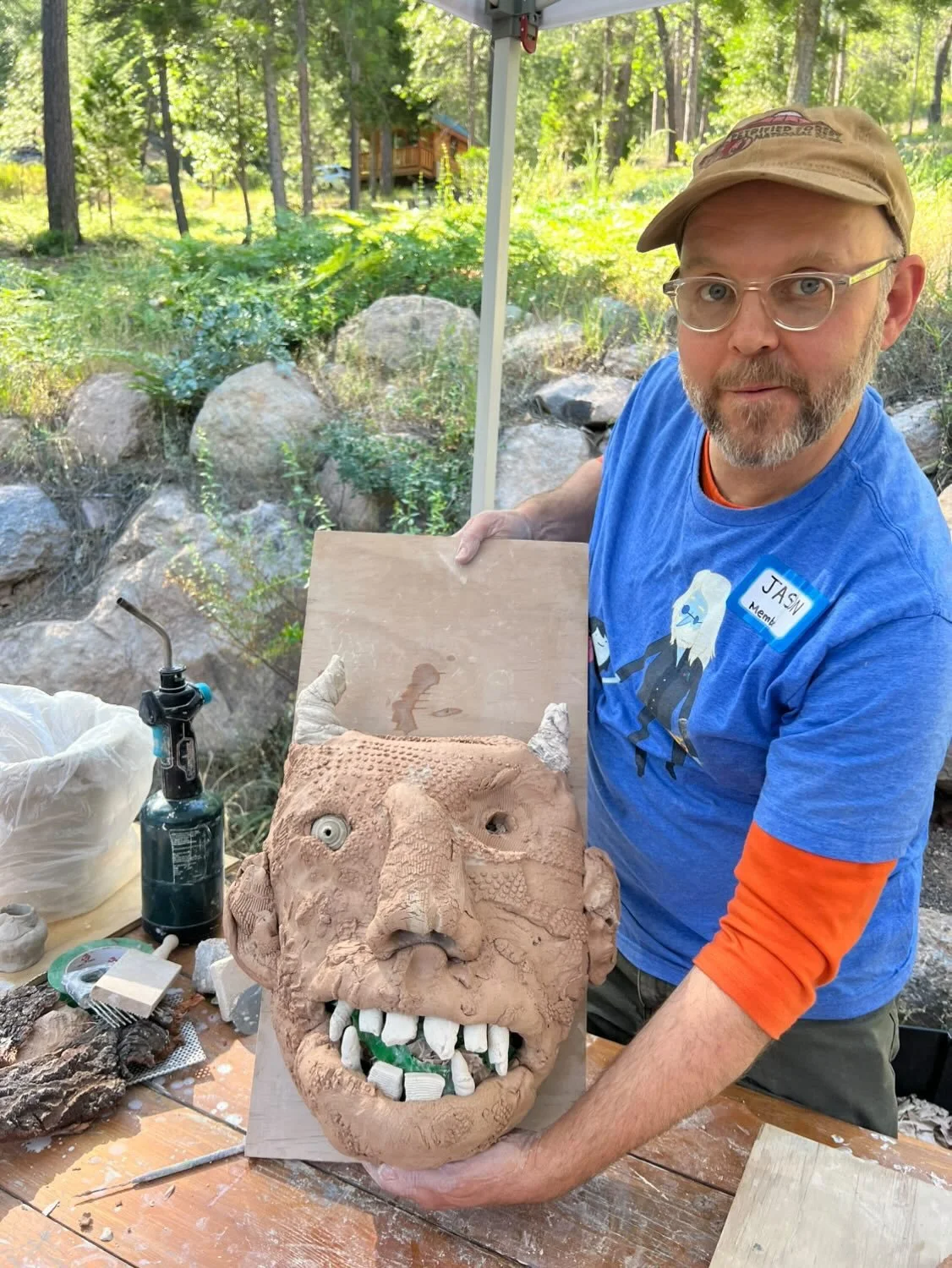
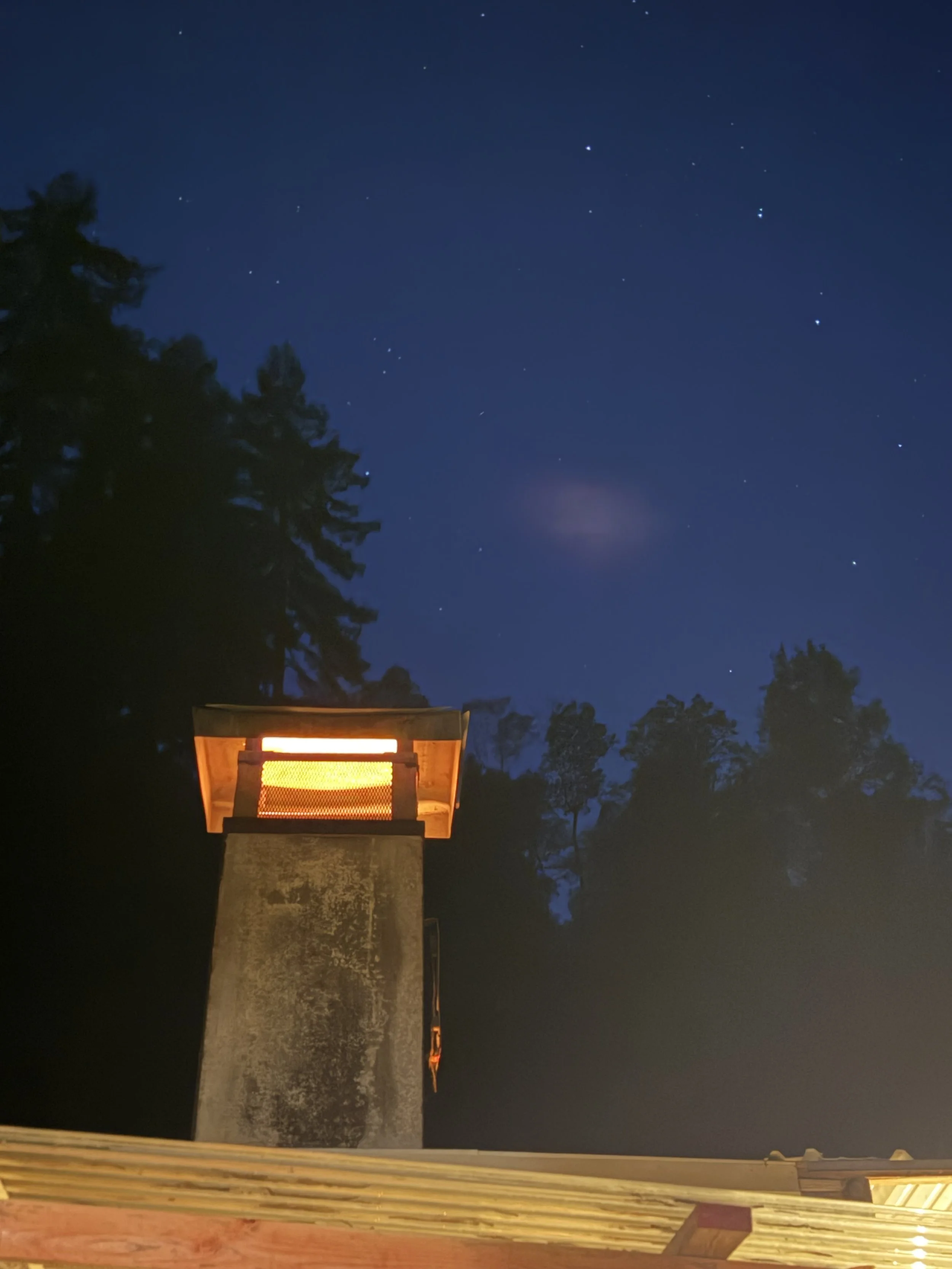
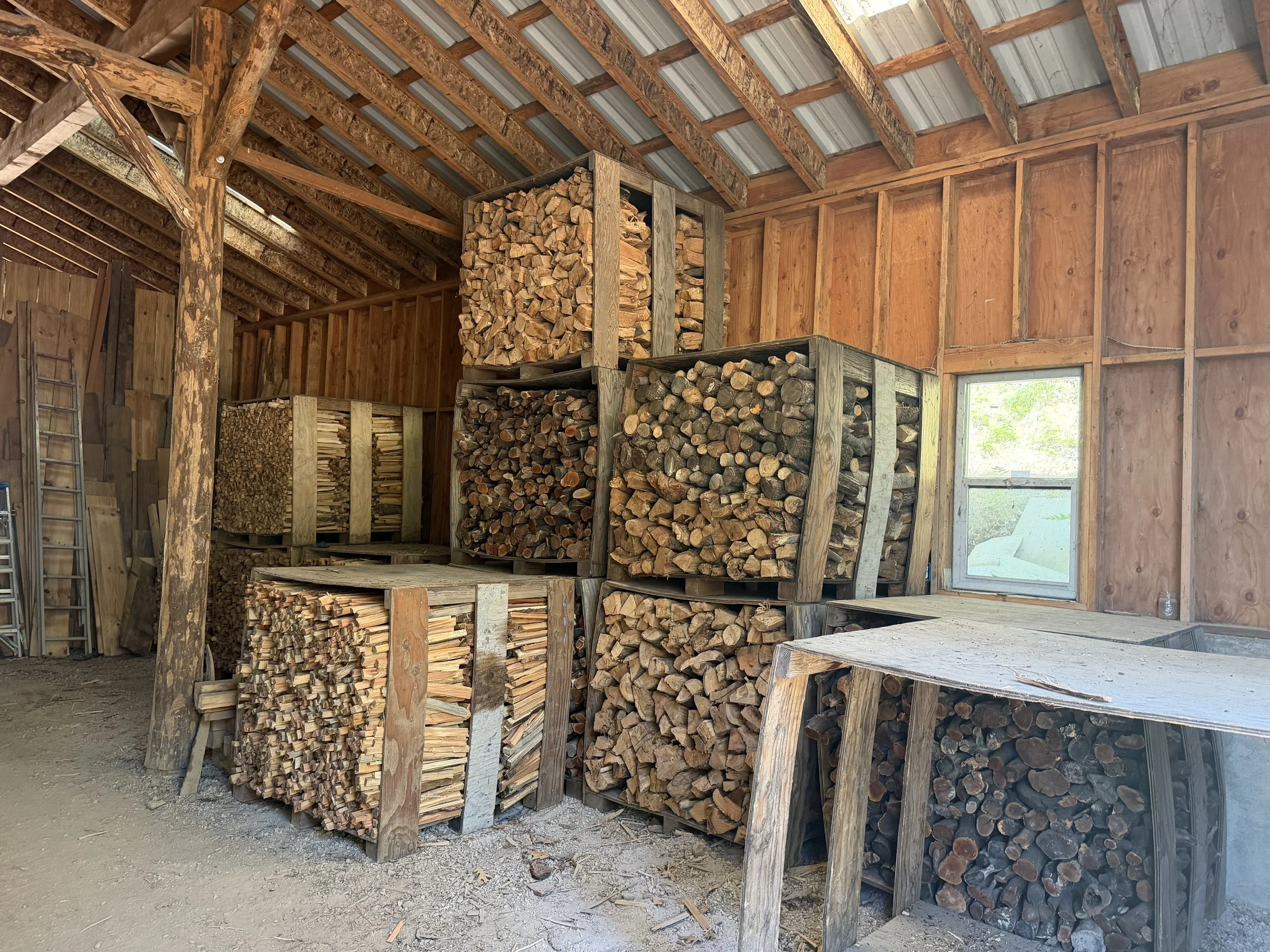
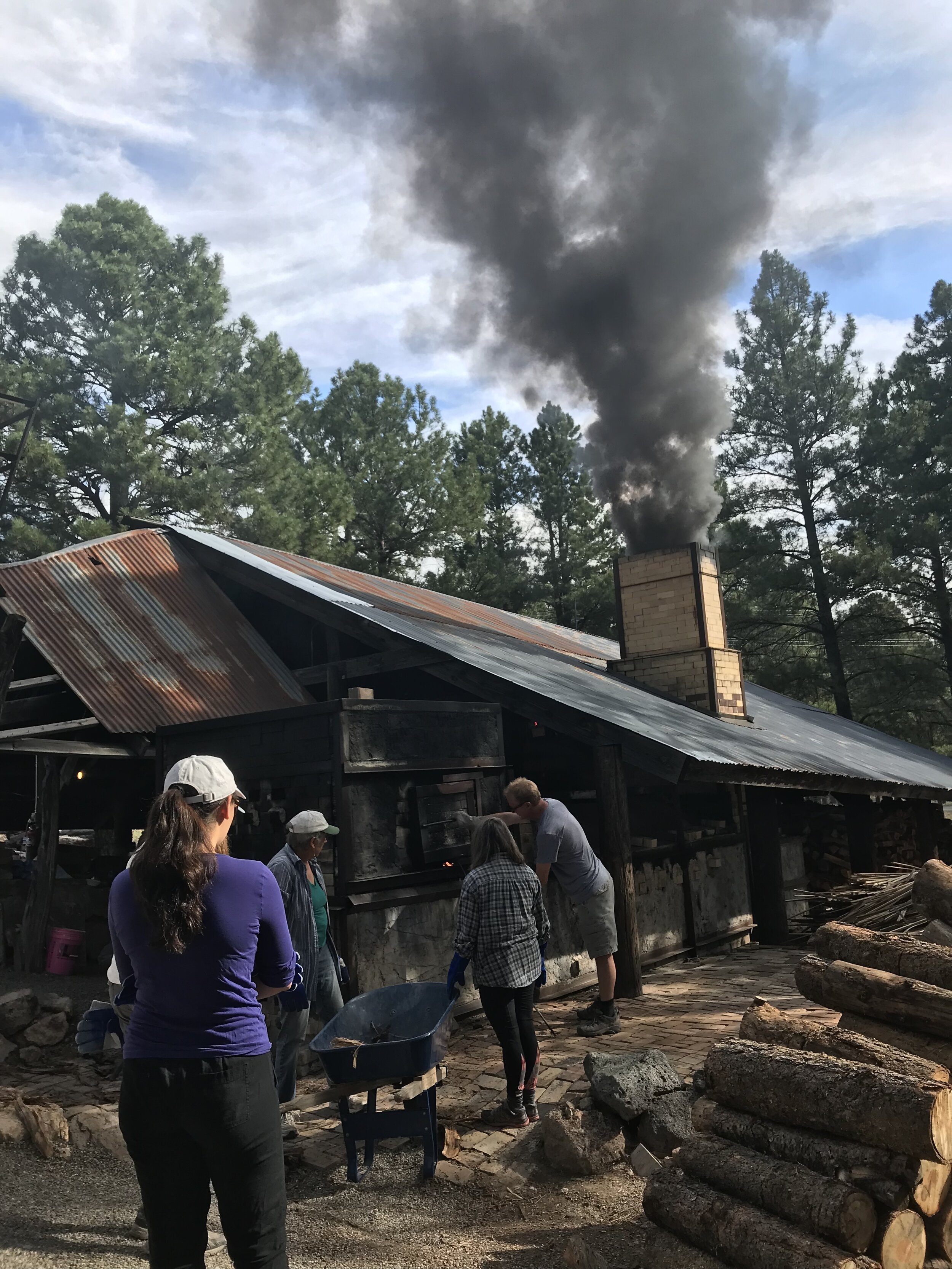
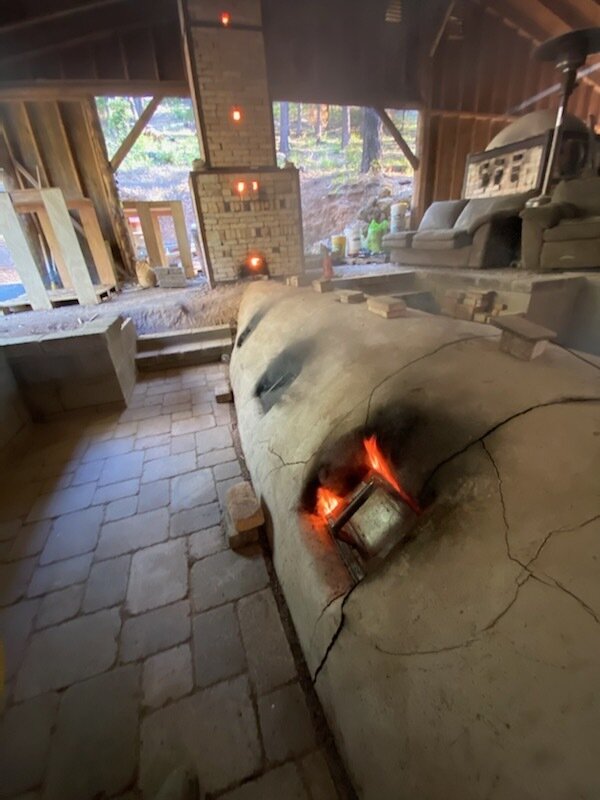
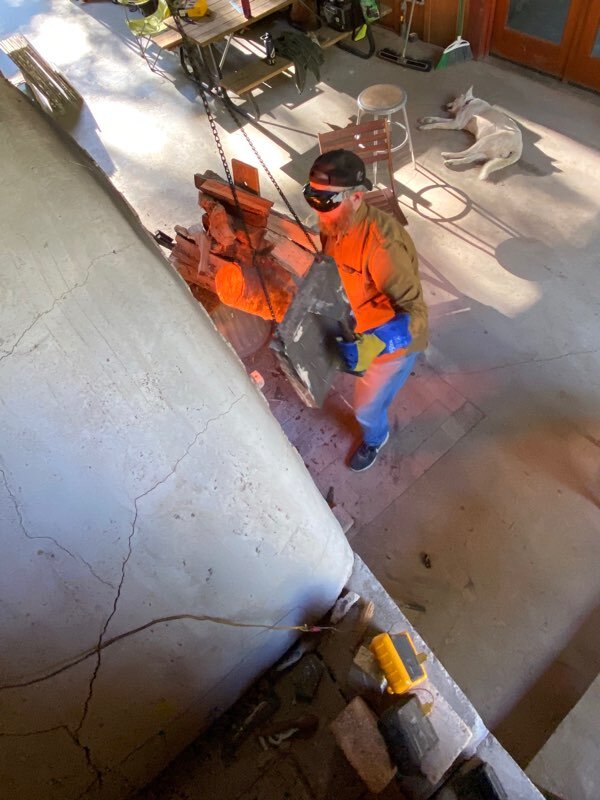
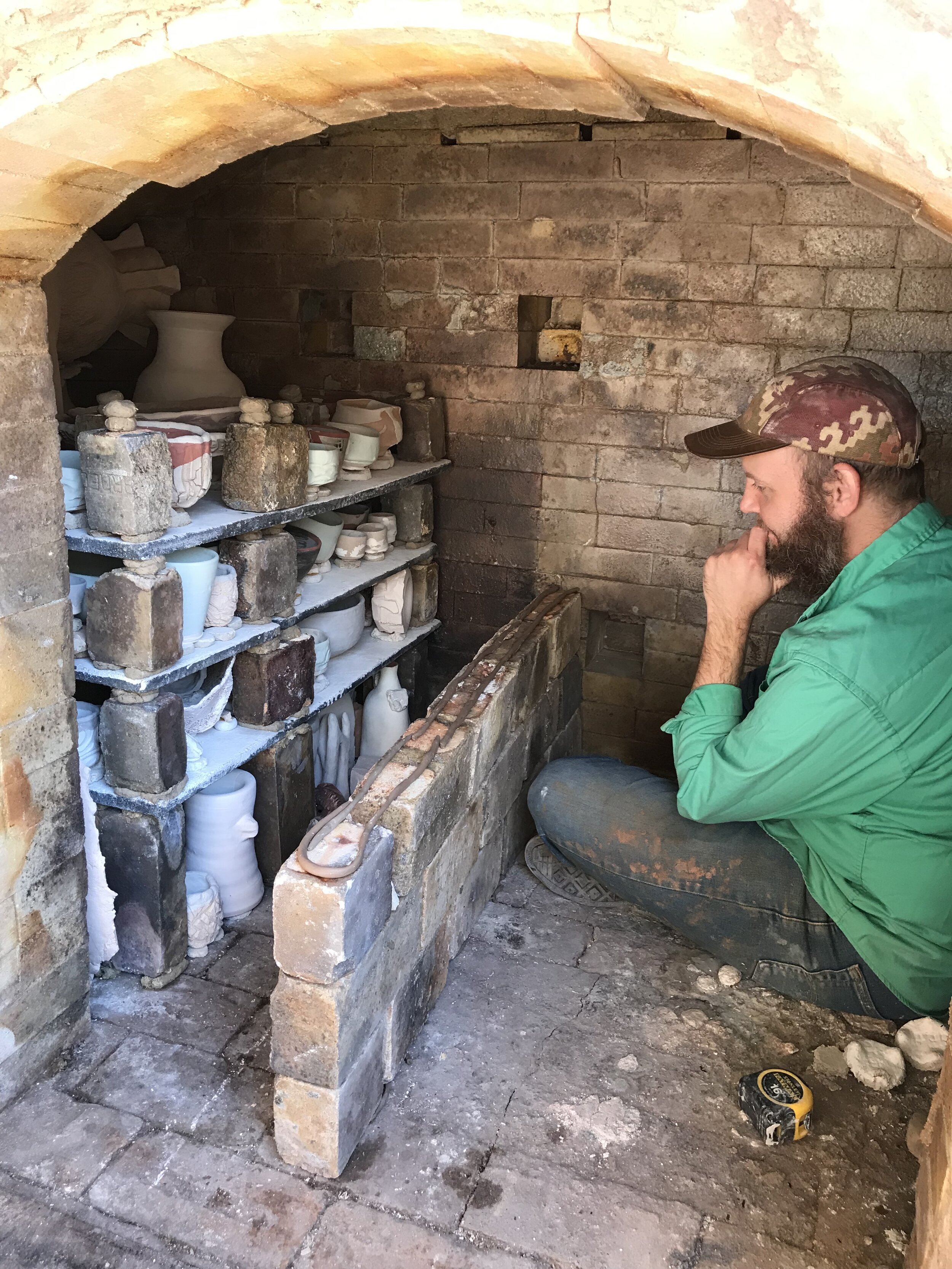
This page gathers images from different firings, kiln sites, wood piles, loading days, and moments around the fire. More studio photos and videos will be added over time, but for now these images show the part of the process that has most shaped my work: the kilns, the wood, the labor, and the unpredictable generosity of fire.